Historic Byzantine Churches to Visit in Fatih, Istanbul
Fatih is one of the best areas in Istanbul for travelers who want to explore the city's Byzantine history. Located on the historic peninsula, Fatih was once the heart of Constantinople, the capital of the Byzantine Empire for more than a thousand years.
Although many Byzantine buildings have disappeared or been transformed over the centuries, several remarkable churches and religious monuments still provide a fascinating glimpse into Istanbul's Byzantine past. From magnificent domed churches to beautifully preserved mosaics, these historic sites are among the most interesting places to visit in Fatih.
If you are interested in Byzantine architecture, history, art, and ancient Constantinople, exploring the Byzantine churches of Fatih should definitely be part of your Istanbul itinerary.
1. Hagia Sophia – A Masterpiece of Byzantine Architecture
One of the most famous historic buildings in Istanbul, Hagia Sophia is an essential stop for anyone exploring Byzantine history.
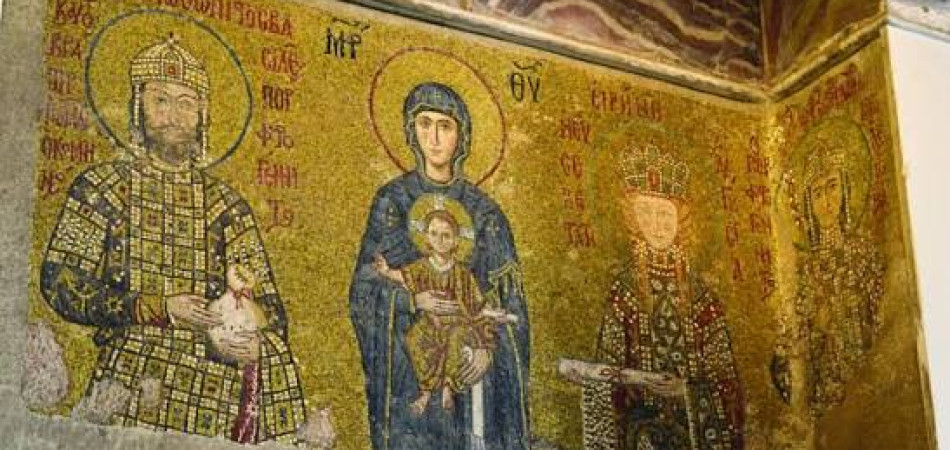
Originally completed in 537 AD during the reign of Emperor Justinian I, Hagia Sophia was the largest cathedral in the Christian world for centuries. Its enormous dome, marble interiors, columns, and surviving Byzantine mosaics demonstrate the extraordinary architectural achievements of the Byzantine Empire.
After the Ottoman conquest of Constantinople in 1453, Hagia Sophia was converted into a mosque. Today, it remains one of the most important historical landmarks in Istanbul.
Visitors can admire its impressive combination of Byzantine and Ottoman architectural features while learning about the many different periods of Istanbul's history.
Why visit Hagia Sophia?
-
One of the world's most famous Byzantine buildings
-
Extraordinary 6th-century architecture
-
Historic Byzantine mosaics
-
Located in Sultanahmet, Fatih
-
Surrounded by other major historical attractions
2. Chora Church – Byzantine Mosaics and Frescoes
The Chora Church, historically known as the Church of the Holy Saviour in Chora, is another remarkable Byzantine monument in Fatih.
The building is particularly famous for its extraordinary mosaics and frescoes. Many of the surviving artworks date from the late Byzantine period and depict scenes from the life of Christ and the Virgin Mary.
The church's artistic decoration is considered one of the finest examples of late Byzantine art. Its detailed compositions, vivid imagery, and religious storytelling make it especially interesting for visitors interested in medieval art.
Located in the Edirnekapı area of Fatih, Chora Church is slightly away from the main Sultanahmet tourist route. However, its historical and artistic importance makes the journey worthwhile.
Highlights include:
-
Beautiful Byzantine mosaics
-
Detailed frescoes
-
Late Byzantine architecture
-
Important examples of medieval Christian art
-
Historic surroundings in western Fatih
3. Zeyrek Mosque – The Former Pantokrator Monastery
Another important Byzantine monument in Fatih is Zeyrek Mosque, which occupies the site of the former Pantokrator Monastery.
The monastery complex was founded during the 12th century and was one of the most important religious institutions of Constantinople. It originally consisted of several churches forming a large monastic complex.
Following the Ottoman conquest, the complex was converted into a mosque.
Today, Zeyrek Mosque is particularly interesting because its structure still reflects its Byzantine origins. The building is located on one of the historic hills of Istanbul and offers impressive views toward the Golden Horn.
For travelers who want to explore less crowded Byzantine sites in Istanbul, Zeyrek is an excellent choice.
4. Gül Mosque – A Byzantine Church in the Historic Peninsula
Gül Mosque is another fascinating Byzantine monument located in Fatih.
The exact original dedication and history of the building are still debated by historians, but it is generally associated with a Byzantine church dating from the later Byzantine period.
The building was converted into a mosque after the Ottoman conquest. Its location near the Golden Horn makes it a convenient stop when exploring the historic neighborhoods of Fatih.
Gül Mosque is less famous than Hagia Sophia or Chora, which makes it appealing to visitors looking for a quieter historical experience.
5. Kalenderhane Mosque – A Hidden Byzantine Treasure
Kalenderhane Mosque is one of the lesser-known Byzantine monuments in Istanbul.
The building is believed to have originally served as a Byzantine church before being converted into a mosque during the Ottoman period. Its architecture reflects the complex history of Constantinople and the transformation of religious buildings after 1453.
One of its most interesting features is its interior decoration, including examples of Byzantine artistic traditions.
Because it is located close to the Valens Aqueduct and other historic landmarks, Kalenderhane Mosque can easily be included in a walking tour of central Fatih.
6. Little Hagia Sophia – Byzantine Church Near the Historic Peninsula
Although now functioning as a mosque, Little Hagia Sophia was originally built as the Church of Saints Sergius and Bacchus during the reign of Emperor Justinian I.
The church dates from the 6th century and is considered an important example of early Byzantine architecture.
Its central dome, octagonal interior arrangement, columns, and decorative details make it architecturally significant.
Little Hagia Sophia is located near the Sea of Marmara and is within walking distance of the Sultanahmet area. It is therefore an excellent addition to a Byzantine-focused sightseeing itinerary.
Why Is Fatih Important for Byzantine History?
Fatih occupies much of the historic peninsula of Istanbul, the area that formed the core of ancient Constantinople.
The district contains monuments from several major historical periods, including:
-
The Roman Empire
-
The Byzantine Empire
-
The Ottoman Empire
-
The modern Republic of Türkiye
This makes Fatih one of the most historically diverse districts in Istanbul.
Walking through its streets, visitors can encounter Byzantine churches, Ottoman mosques, Roman monuments, old city walls, historic bazaars, and traditional neighborhoods within a relatively small area.
Best Way to Explore Byzantine Churches in Fatih
The best way to discover these historic churches is to plan your visit geographically.
A Sultanahmet and Fatih walking tour can begin with Hagia Sophia and continue toward Little Hagia Sophia. From there, you can explore other historic monuments in the central part of the peninsula before heading toward Zeyrek, Chora, and Edirnekapı.
Because some Byzantine buildings are now mosques, visitors should remember that they remain active places of worship. Modest clothing and respectful behavior are recommended.
Opening hours and visitor regulations can also change, so checking the latest information before visiting is advisable.
Byzantine Churches in Fatih: A Journey Through Istanbul's History
Exploring the Byzantine churches of Fatih is much more than visiting old buildings. These monuments tell the story of Constantinople and demonstrate how Istanbul developed through centuries of political, religious, and cultural change.
Hagia Sophia represents the architectural ambition of the Byzantine Empire, while Chora is celebrated for its extraordinary artistic heritage. Zeyrek, Gül Mosque, Kalenderhane, and Little Hagia Sophia provide additional opportunities to discover lesser-known aspects of Byzantine Istanbul.
For history lovers, architecture enthusiasts, photographers, and travelers interested in ancient Constantinople, Fatih offers an unforgettable journey through Istanbul's Byzantine past.
If you are planning an Istanbul sightseeing itinerary, make sure to leave enough time to explore beyond the most famous landmarks. Some of the most fascinating Byzantine treasures can be found in the quieter streets of Fatih.
 WhatsApp Live Support